What Is Pelvic Floor Physical Therapy? A Complete Guide for Women
Updated: Sep 6
If you have ever experienced leaking when you laugh, felt a heavy or pressing sensation in your pelvis, or dealt with unexplained pelvic pain, your pelvic floor might be involved. Many women face these symptoms but do not realize that pelvic floor physical therapy (PT) can help. This therapy is often overlooked, leaving women to manage discomfort for years without knowing there is a treatment option.
This guide explains what pelvic floor physical therapy is, what conditions it treats, what to expect during therapy, and why so many women wish they had discovered it sooner.
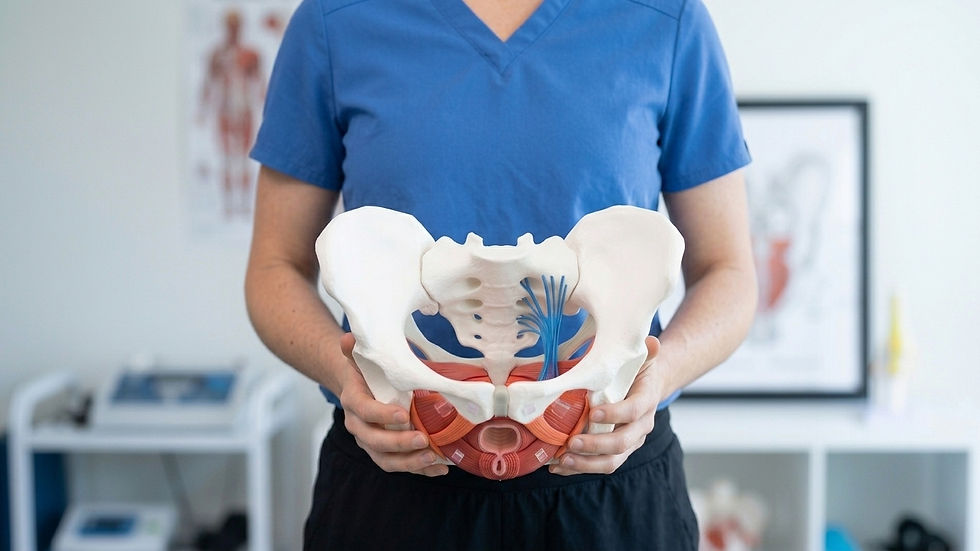
What Is the Pelvic Floor?
The pelvic floor is a group of muscles, ligaments, and connective tissues that form a sling across the bottom of the pelvis. These muscles support the bladder, uterus, rectum, and other pelvic organs. They help control bladder and bowel function and play a role in sexual health.
When these muscles are weak, tight, or injured, they can cause a range of symptoms including:
Urinary or fecal incontinence (leaking)
Pelvic pain or pressure
Pain during intercourse
Constipation or difficulty emptying the bladder
Lower back or hip pain
Understanding the pelvic floor’s role is key to recognizing why physical therapy can be so effective.
What Does Pelvic Floor Physical Therapy Treat?
Pelvic floor physical therapy focuses on restoring the strength, flexibility, and coordination of the pelvic floor muscles. It can help with many common issues women face, such as:
Urinary incontinence: Stress incontinence (leaking with coughing, sneezing, or exercise) and urge incontinence (sudden need to urinate)
Pelvic organ prolapse: When pelvic organs drop due to weak support muscles, causing pressure or bulging
Pelvic pain: Chronic pain in the pelvic region, including pain during sex or after childbirth
Postpartum recovery: Healing and strengthening muscles after pregnancy and delivery
Bowel dysfunction: Constipation, fecal incontinence, or difficulty with bowel movements
Pre- and post-surgical rehabilitation: Support recovery after pelvic surgeries
Many women do not realize these symptoms are treatable with physical therapy, which offers a non-surgical, drug-free approach.
How Does Pelvic Floor Physical Therapy Work?
A pelvic floor physical therapist uses specialized techniques to evaluate and treat the pelvic muscles. The process typically includes:
Initial Assessment: The therapist reviews your medical history and symptoms. They may perform an internal or external exam to assess muscle tone, strength, and coordination.
Personalized Treatment Plan: Based on the assessment, the therapist designs exercises and treatments tailored to your needs.
Therapeutic Exercises: These may include strengthening weak muscles, relaxing tight muscles, and improving muscle control.
Manual Therapy: Hands-on techniques to release muscle tension, improve blood flow, and reduce pain.
Biofeedback: Using sensors to help you learn how to control your pelvic muscles better.
Education: Guidance on posture, breathing, bladder habits, and lifestyle changes to support pelvic health.
Therapy sessions usually last 30 to 60 minutes and may be weekly or biweekly, depending on your condition.

What to Expect During Pelvic Floor Physical Therapy
Many women feel nervous about pelvic floor therapy because it involves a sensitive area. Here’s what you can expect:
Comfort and Privacy: Therapists create a safe, respectful environment. You control what you share and how much physical examination you are comfortable with.
Clear Communication: The therapist explains every step and answers your questions.
Gradual Progress: Therapy focuses on small improvements over time, not quick fixes.
Home Exercises: You will likely receive exercises to do at home to support your progress.
Symptom Tracking: You and your therapist will monitor changes in symptoms to adjust treatment.
Most women notice improvements within a few weeks, but some conditions may require longer therapy.
Why Many Women Wish They Found Pelvic Floor Physical Therapy Sooner
Pelvic floor issues are common but often misunderstood or ignored. Many women accept symptoms as normal parts of aging, childbirth, or life after surgery. This delay in seeking treatment can lead to worsening symptoms and reduced quality of life.
Women who start pelvic floor physical therapy often report:
Reduced or eliminated leaking
Less pelvic pain and pressure
Improved sexual function
Better bowel and bladder control
Increased confidence and comfort in daily activities
Early intervention can prevent symptoms from becoming severe and improve long-term pelvic health.

How to Find a Pelvic Floor Physical Therapist
Not all physical therapists specialize in pelvic floor therapy. To find a qualified provider:
Look for therapists with certification or advanced training in pelvic health.
Ask your doctor for a referral.
Search professional directories such as the American Physical Therapy Association’s pelvic health section.
Check reviews and ask about experience with your specific symptoms.
A good therapist will listen carefully, explain treatment clearly, and tailor therapy to your needs.
Tips for Supporting Pelvic Floor Health at Home
Along with therapy, you can support your pelvic floor by:
Practicing pelvic floor exercises regularly (often called Kegels)
Maintaining a healthy weight to reduce pressure on pelvic muscles
Avoiding heavy lifting or straining
Staying hydrated and eating fiber-rich foods to prevent constipation
Using proper posture and body mechanics during daily activities
Taking breaks to move and stretch if you sit for long periods
These habits help maintain muscle strength and flexibility.
Pelvic floor physical therapy offers a practical, effective way to address common but often overlooked pelvic health issues. If you experience leaking, pelvic pain, or pressure, consider consulting a pelvic floor physical therapist. Early treatment can improve your quality of life and help you regain control over your body.


Comments